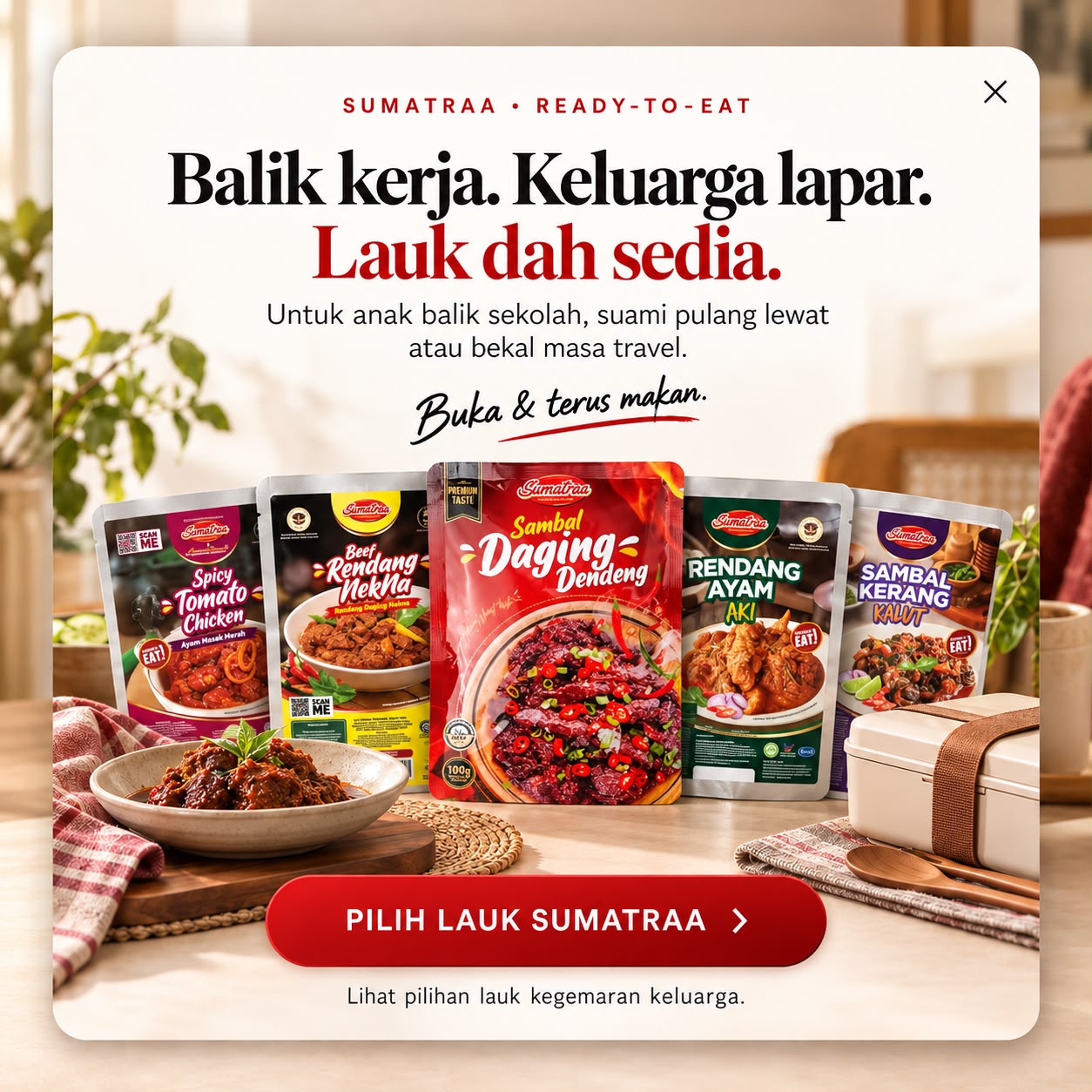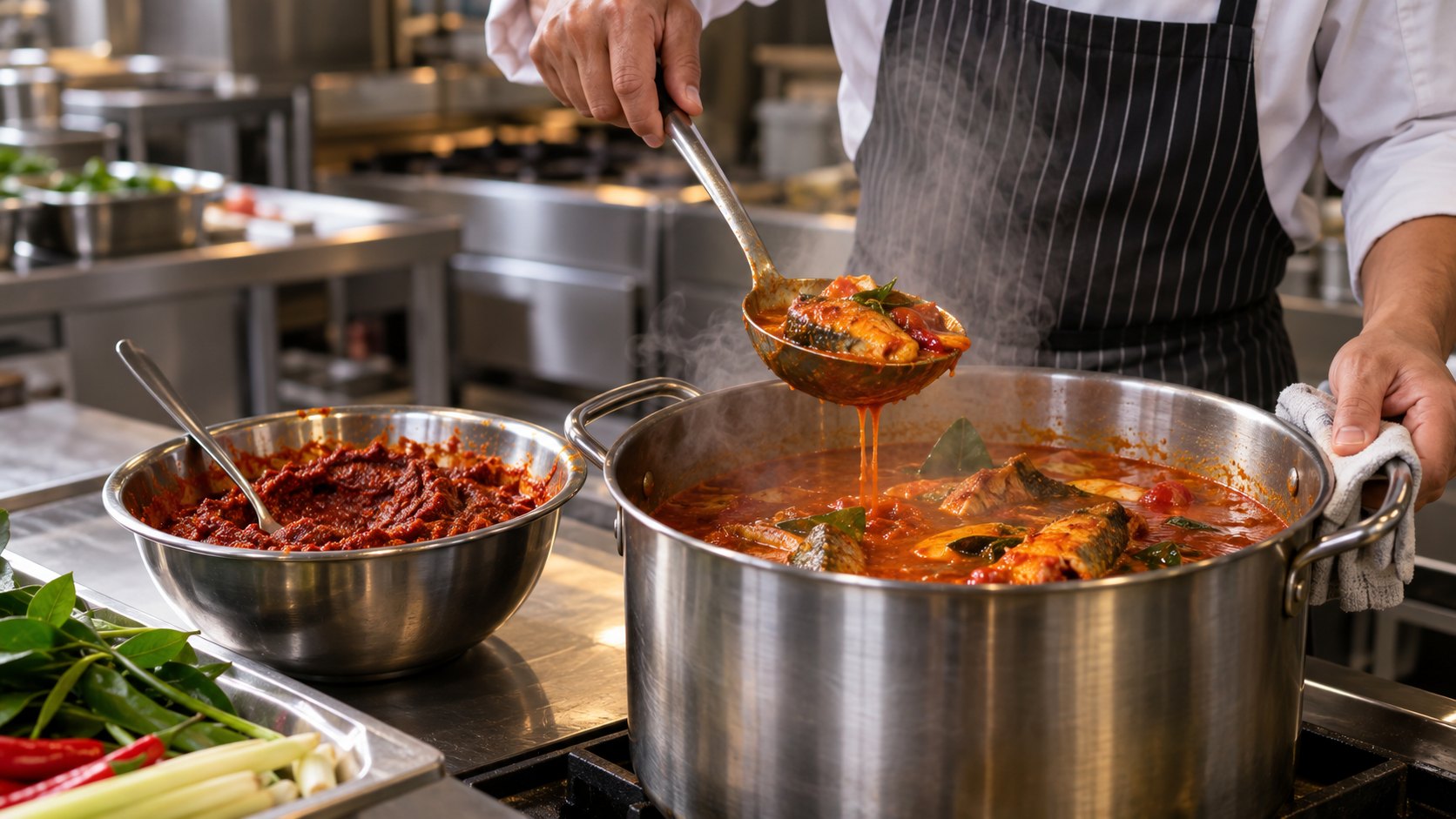
AI-generated illustration of a chef cooking with ready-to-cook paste in a commercial kitchen, not an actual Sumatraa product photo.
Choosing a food supplier for a hotel is not just a matter of comparing catalogues. Before evaluating any supplier, the purchasing and F&B team needs to be clear about the hotel’s own requirements, then test every candidate with the same questions. This guide organises those questions so the evaluation stays consistent and fair to every potential supplier.
1. Start with the hotel’s requirements, not the supplier’s catalogue
Every hotel’s needs are different. Write down three basics first:
- Service format: buffet or banquet, in-room dining, staff canteen, or grab-and-go.
- Volume pattern: steady daily service, or seasonal peaks and special events.
- Storage reality: limited freezer space, or more room-temperature storage.
This note becomes the fixed yardstick. Every supplier is measured against the same requirements, not by who called first.
2. Questions about format and product
- Is the product ready-to-eat or a ready-to-cook paste?
- What pack sizes and packaging formats are offered?
- How must the product be stored: frozen, or shelf-stable at room temperature through retort technology?
- What is each product’s shelf life, and what are the storage conditions once opened?
The difference between frozen products and shelf-stable retort products has a major impact on a hotel’s storage, transport and stock management. Shelf life and storage conditions vary by product, so confirm the details of each product with the supplier in writing.
3. Questions about compliance
- Does the product carry JAKIM halal certification? Ask for the certificate details, then verify them yourself through the official JAKIM portal.
- Does the manufacturer hold a current MeSTI registration?
- What supporting documents can be provided for the hotel’s procurement file?
Hotels serve guests from many backgrounds, so halal assurance must be something the buyer can verify independently, not just a verbal guarantee.
4. Questions about supply and delivery
- What is the minimum order quantity (MOQ), and does it differ for bulk orders?
- How long does order preparation take before handover?
- Where does delivery coverage extend, and who arranges transport?
MOQ, preparation time and transport arrangements differ between suppliers and order types. Get each answer in writing and never assume one standard applies to everyone.
5. Questions about menu fit
- Which products suit the hotel’s service format, for example buffet service versus in-room dining?
- Can the supplier explain serving and preparation suggestions for each product?
Match products to the menu before any kitchen trial. The trial and dish-costing exercise is a separate step that comes after this early evaluation.
6. Put the evaluation brief on one page
A short checklist to copy into the evaluation form:
- Service format and volume the hotel needs.
- Product format, pack size, storage and shelf life (confirmed in writing).
- Halal status verified through the JAKIM portal; MeSTI confirmed.
- MOQ, preparation time and delivery coverage (confirmed in writing).
- Menu fit and next steps.
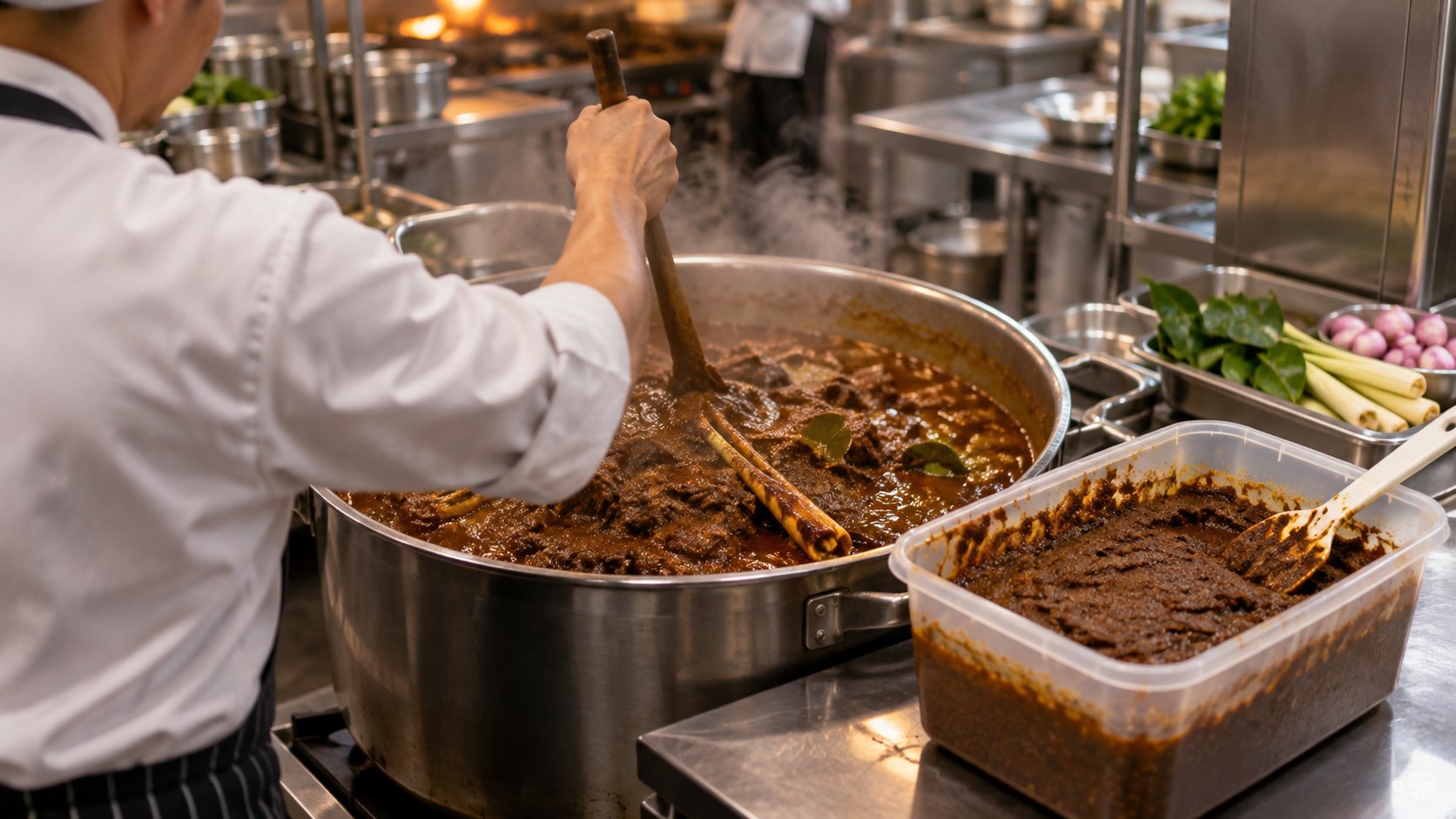
For hotels currently evaluating food suppliers, Sumatraa is ready to discuss hotel F&B requirements, including shelf-stable retort products and ready-to-cook pastes for commercial kitchens.